
Advanced Logic
Enabling the atomic-scale etch precision that makes today's most advanced AI processors manufacturable
- FinFET
- GAA
- CFET
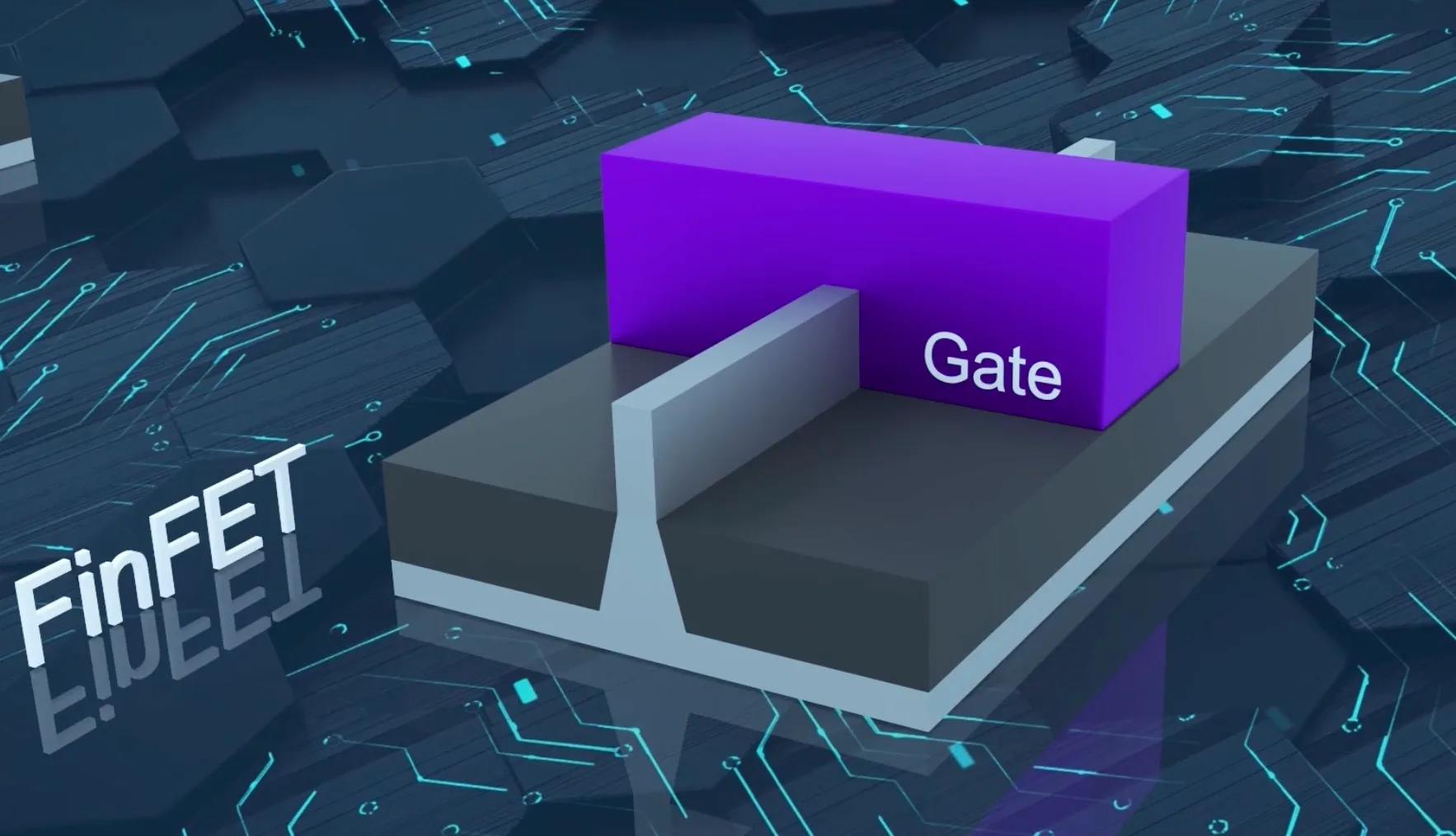
GAA changed everything.
The etch process has to keep up.
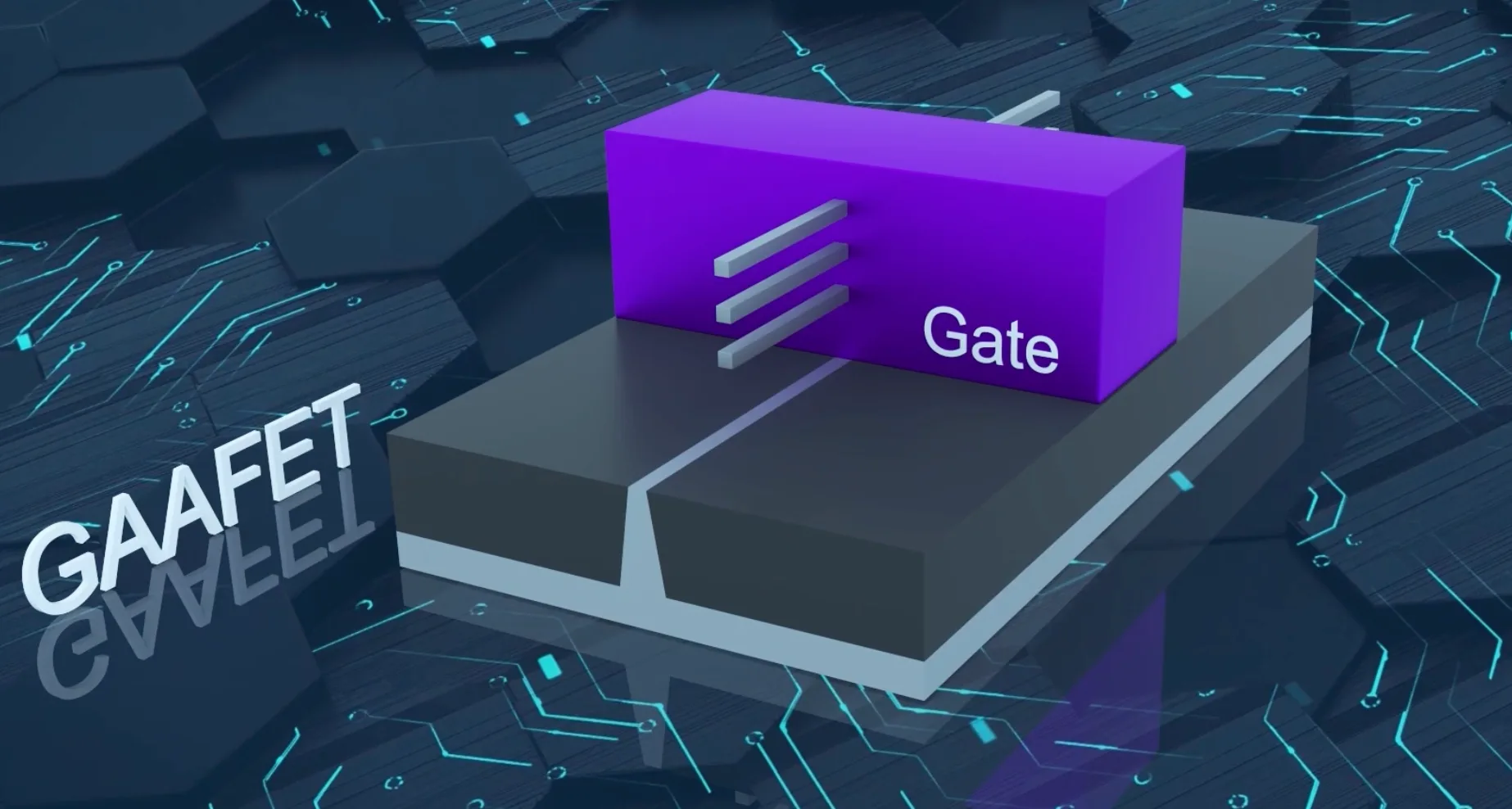
The processors that run AI are built at sub-3nm. The etch process that makes them possible demands atomic-scale precision.
As the industry moves from FinFET to Gate-All-Around (GAA) and then to CFET, process complexity at the etch level increases significantly. Conventional RIE cannot meet the precision these architectures demand — and the gap continues to widen as nodes shrink.
ALE intensity grows with every logic generation.
- 4–6FinFET
- 10–12GAA Nanosheet
- 12–15GAA Forksheet
- 20–25CFET
As logic architectures advance, the number of steps requiring atomic-scale etch control multiplies. By GAA, ALE is embedded throughout the process flow.
Where AAT's platform is the enabling process:
- SiGe channel release (GAA and beyond) — no viable alternative to isotropic ALE
- Inner spacer recess and nanosheet width trim
- Fork isolation recess in Forksheet architectures
- Backside power delivery network etch (BSPDN) in CFET
Where AAT Fits
Building GAA structures requires removing sacrificial silicon-germanium (SiGe) layers from between stacked silicon nanosheets with extremely high selectivity to silicon. The process window is too narrow, the surfaces too sensitive, and the tolerance for damage essentially zero. Isotropic ALE provides the selectivity and damage-free surface quality that makes nanosheet release reliably manufacturable at scale.
Beyond nanosheet release, inner spacer formation, self-aligned contact trimming, and backside power delivery structures all introduce new etch steps where atomic-scale control is the requirement, not a preference.
The gap widens as nodes shrink
- AAT ALEMeets the precision requirement
- Conventional RIECannot keep up
AAT's platform handles these precision finishing steps — not replacing high-throughput RIE for bulk removal, but deployed at the steps where surface quality and dimensional accuracy are non-negotiable. Because the AI optimizer runs in real time, process engineers spend less time on recipe development and more time on device results. At a node where process windows are measured in angstroms, that speed of iteration is not a convenience — it's a competitive advantage.
Demonstrated Performance
- Synergy Factor>80%
- Linearity (R²)>0.9947
- Cycle Time~2 seconds
- Modification saturation~2.0 Å at 1 second
- Removal saturation~2.1 Å at 1 second
Source: SPIE Advanced Lithography + Patterning 2026, Paper 13984-24
The AAT Advantage
Purpose-built for precision, not retrofitted.
AAT's decoupled chamber architecture independently controls the modification and removal steps — giving process engineers step-level tunability that other tools cannot match.
AI-native process control.
Machine learning models optimize gas flow, power, and timing continuously — not as a correction mechanism, but as an active part of how the tool runs. For development using manual recipe tuning that can take weeks, real-time AI control means faster convergence to a production-worthy process window with tighter within-wafer uniformity.
Production-relevant cycle times.
At ~2 seconds per cycle — approximately 10× faster than conventional ALE tools — atomic precision now comes at production-worthy throughput.